
Texas InstrumentsOfficial resources
LP-MSPM0G3507 LaunchPad
An 80 MHz Arm Cortex-M0+ development kit for the MSPM0G3507 with on-board debug, sensors and high speed ADC demonstration circuitry.
MSPM0G3507
View reference board  Download ProtoFlow
37 published boards whose schematic and layout source is public — KiCad, EAGLE, Altium and EasyEDA projects you can read, fork and build on. Every entry links to the original repository and names its licence.
Exact board pages for widely used TI, ST, Espressif, Arduino, Raspberry Pi and Nordic hardware, linked to the manufacturer’s schematics and design resources.
An 80 MHz Arm Cortex-M0+ development kit for the MSPM0G3507 with on-board debug, sensors and high speed ADC demonstration circuitry.
A sub-1 GHz SimpleLink wireless MCU development kit built around the CC1310 for low power sensing and long range radio designs.
A multi-band SimpleLink development kit for the CC1352P wireless MCU, including sub-1 GHz and 2.4 GHz radios with an integrated power amplifier.
An STM32 Nucleo-64 board based on the STM32F401RE, with an integrated ST-LINK debugger and Arduino Uno compatible expansion headers.
An STM32F407 discovery board with audio, motion sensing, USB OTG and an integrated ST-LINK debugger for Cortex-M4 development.
Espressif’s classic ESP32 development board with Wi-Fi, Bluetooth, USB-to-UART and breadboard-friendly pin headers.
A compact Wi-Fi and Bluetooth Low Energy development board based on the RISC-V ESP32-C3-MINI-1 module.
A compact ESP32-S3 development board for Wi-Fi, Bluetooth Low Energy, USB and embedded AI experiments.
The 32-bit Arduino Uno board combining a Renesas RA4M1 MCU with an ESP32-S3 connectivity module and a built-in LED matrix.
The original RP2040 microcontroller board, with castellated edges, USB and exposed debug pins in a compact dual-inline format.
A multi-protocol nRF52840 development kit for Bluetooth Low Energy, Matter, Thread, Zigbee, NFC and proprietary 2.4 GHz designs.
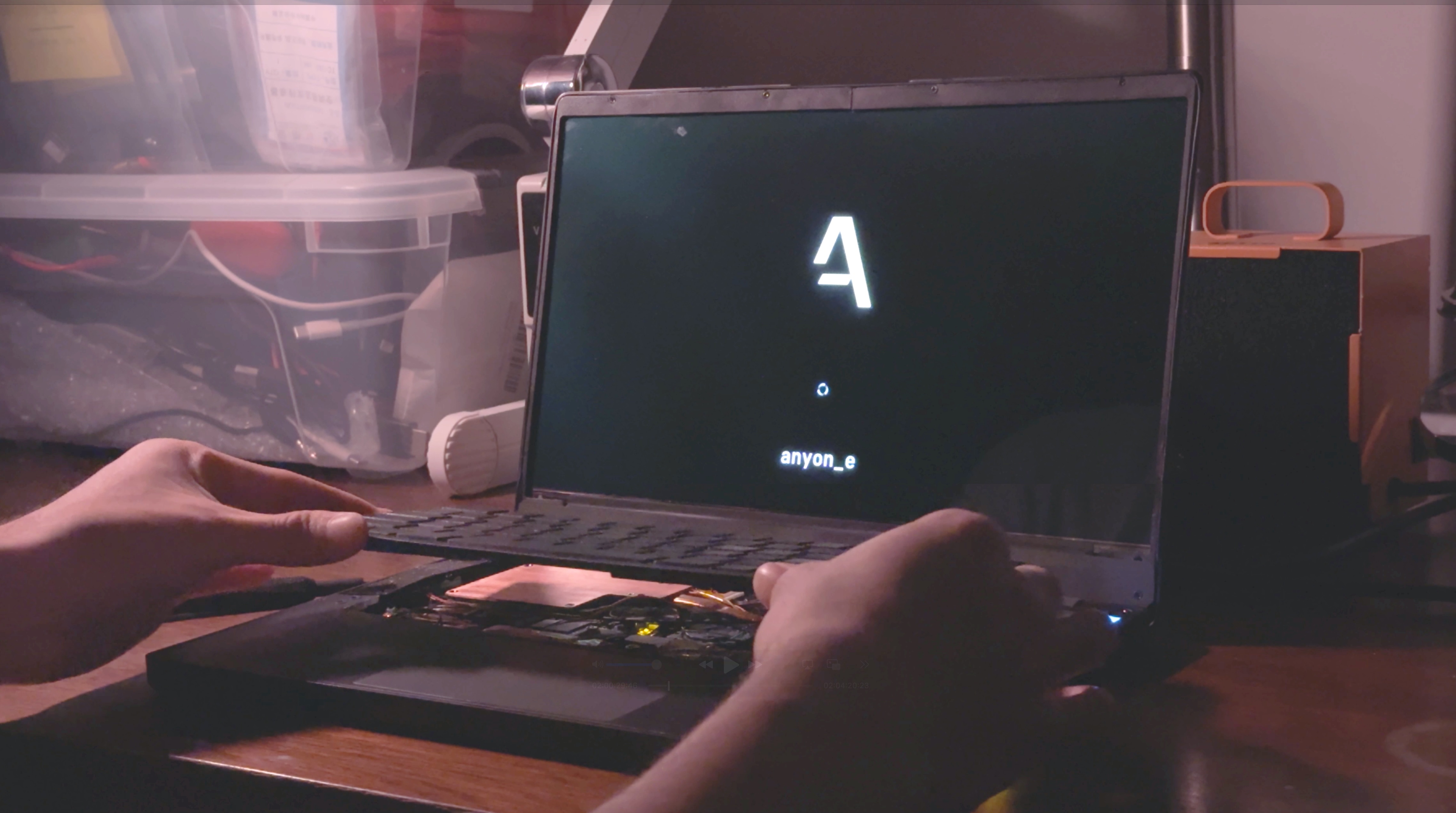 KiCad source
by byrantech
anyon_e, a highly integrated, high end, open source laptop. Attempt the impossible.
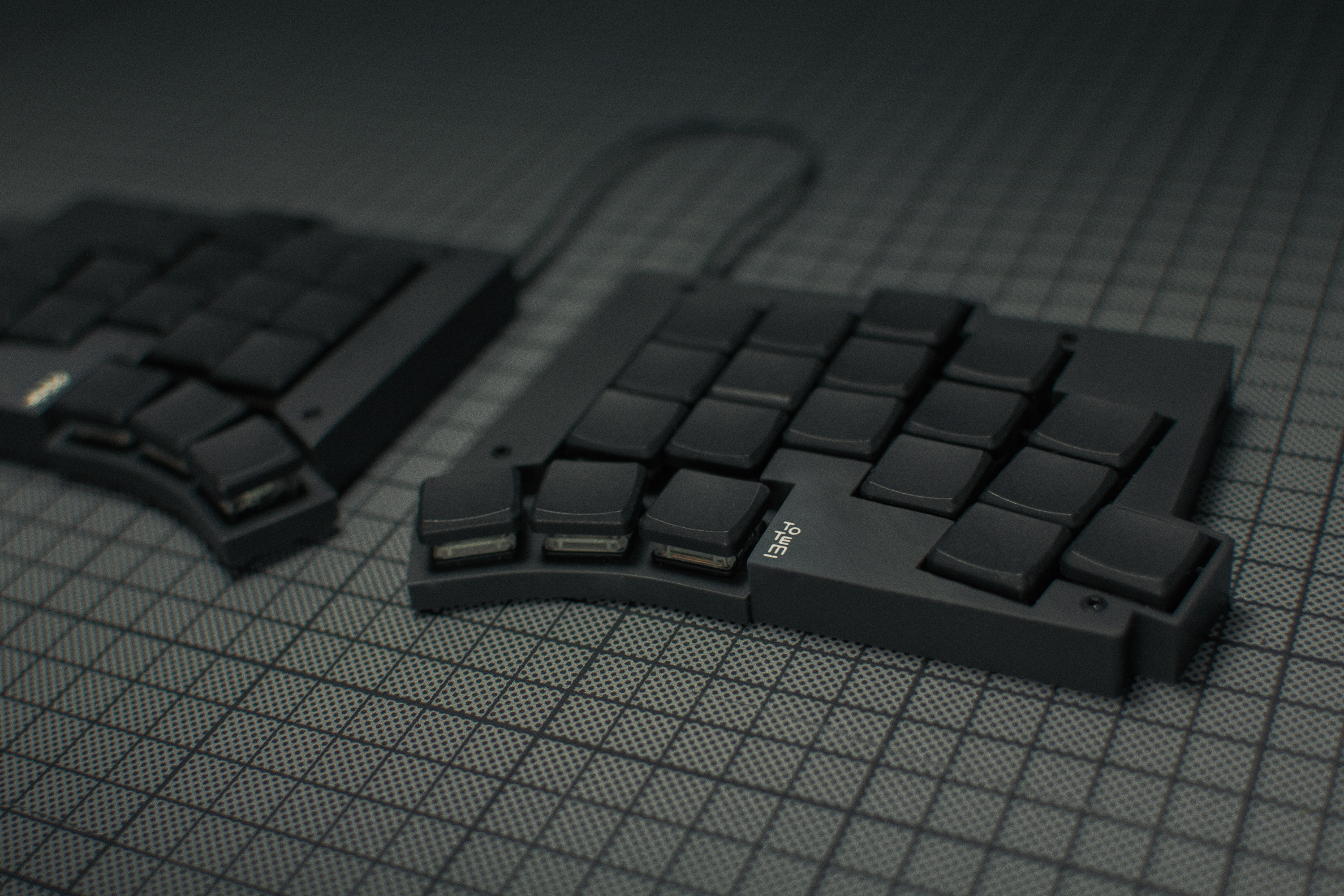
by GEIGEIGEIST
TOTEM is a 38 keys column-staggered split keyboard. It meant to be used with a SEEED XIAO BLE or RP2040
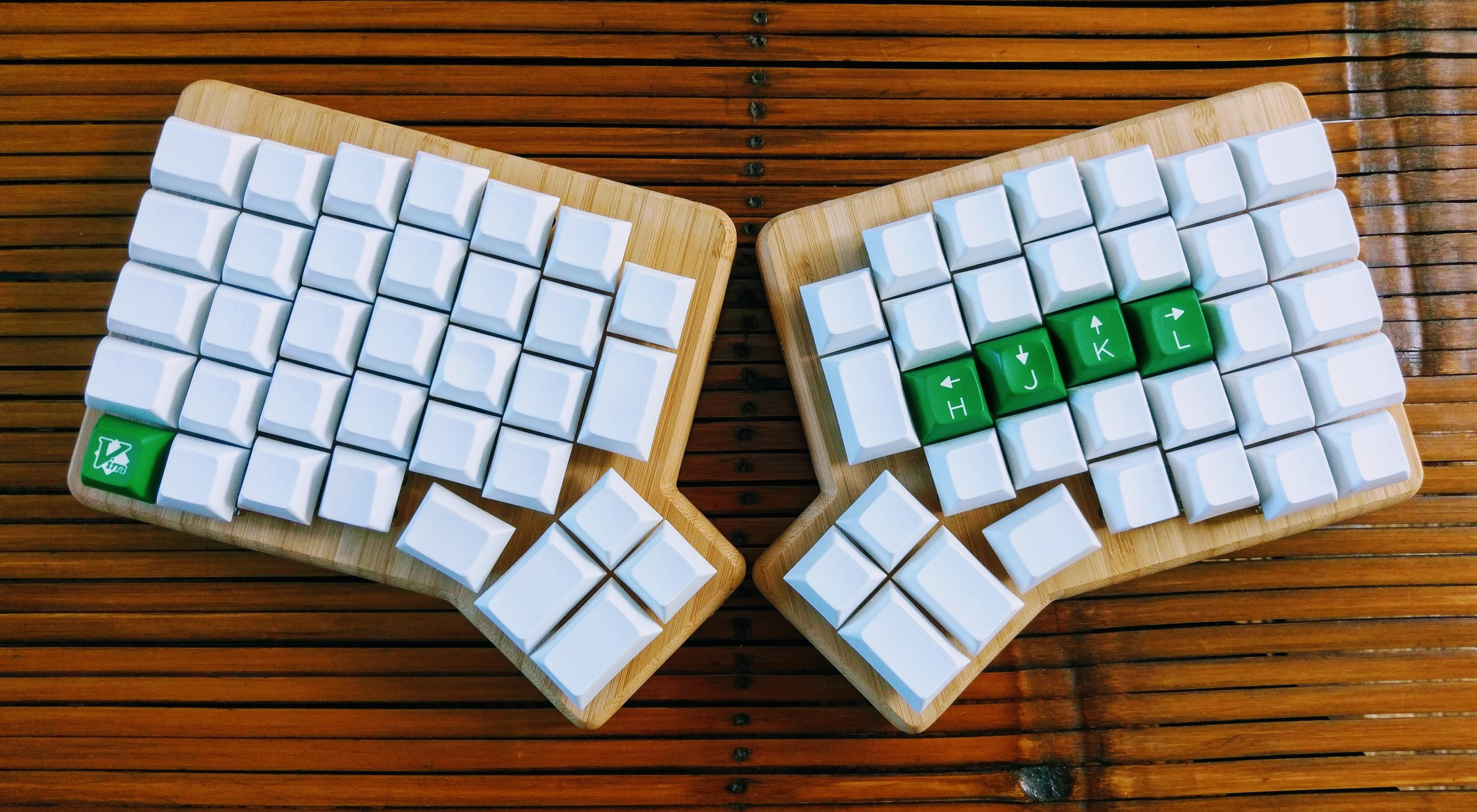
by mattdibi
Ergonomic split mechanical keyboard
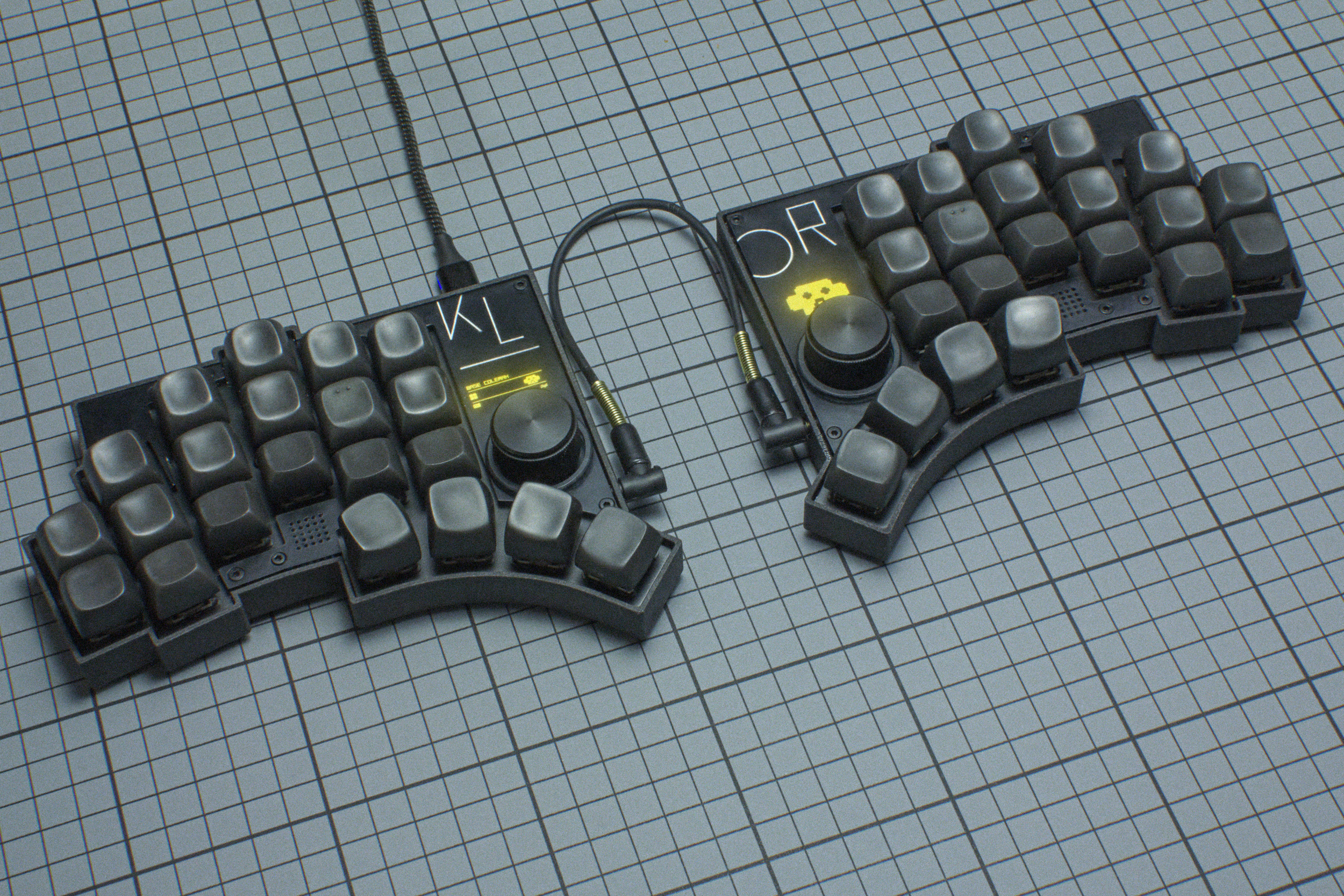
by GEIGEIGEIST
KLOR is 36-42 keys column-staggered split keyboard. It supports a per key RGB matrix, encoders, OLED displays, haptic feedback, audio, a Pixart Paw3204 trackball and four different layouts, through brake off parts.
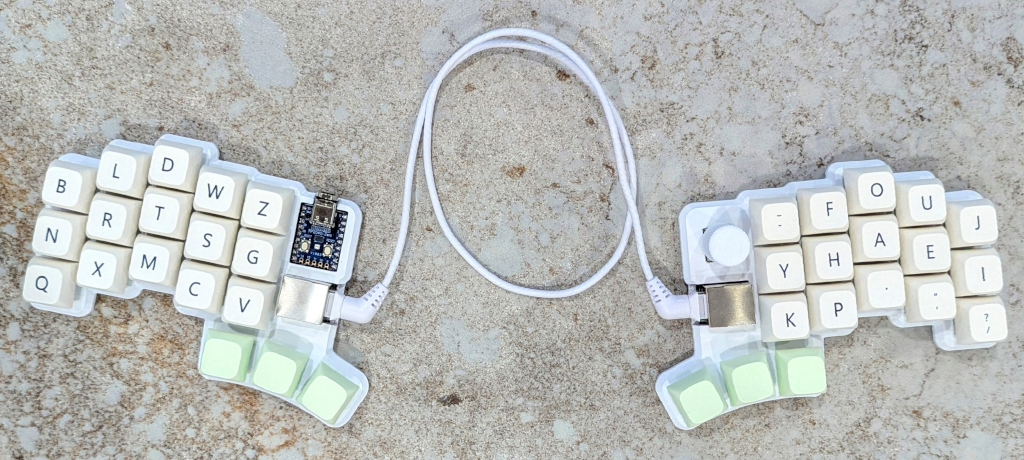
by tompi
An affordable split 36 keys keyboard
by samyk
KeySweeper is a stealthy Arduino-based device, camouflaged as a functioning USB wall charger, that wirelessly and passively sniffs, decrypts, logs and reports back (over GSM) all keystrokes from any Microsoft wireless keyboard in the vicinity.
 KiCad source
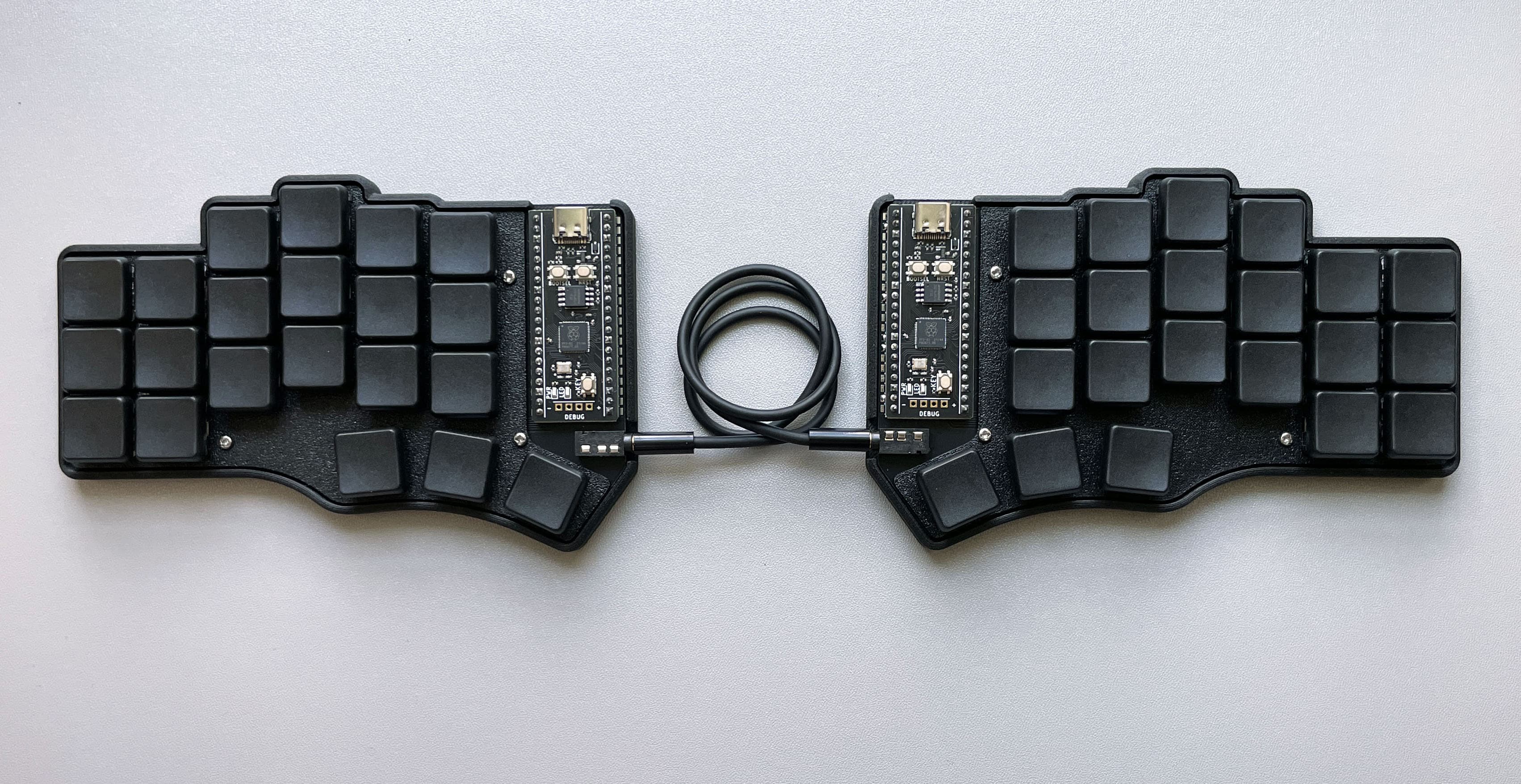
by beekeeb
The Piantor Keyboard is a beginner-friendly, easy-to-solder, 42-key or 36-key, diodeless, low profile aggressive column staggered, hotswappable and non-hotswappable, programmable ergonomic mechanical split keyboard powered by Raspberry Pi Pico or other compatible RP2040 boards. It is based on the Cantor Keyboard.
 KiCad source
by Redherring32
An Open-Source HardWare (OSHW) recreation of the original 1985 front-loading NES Motherboard
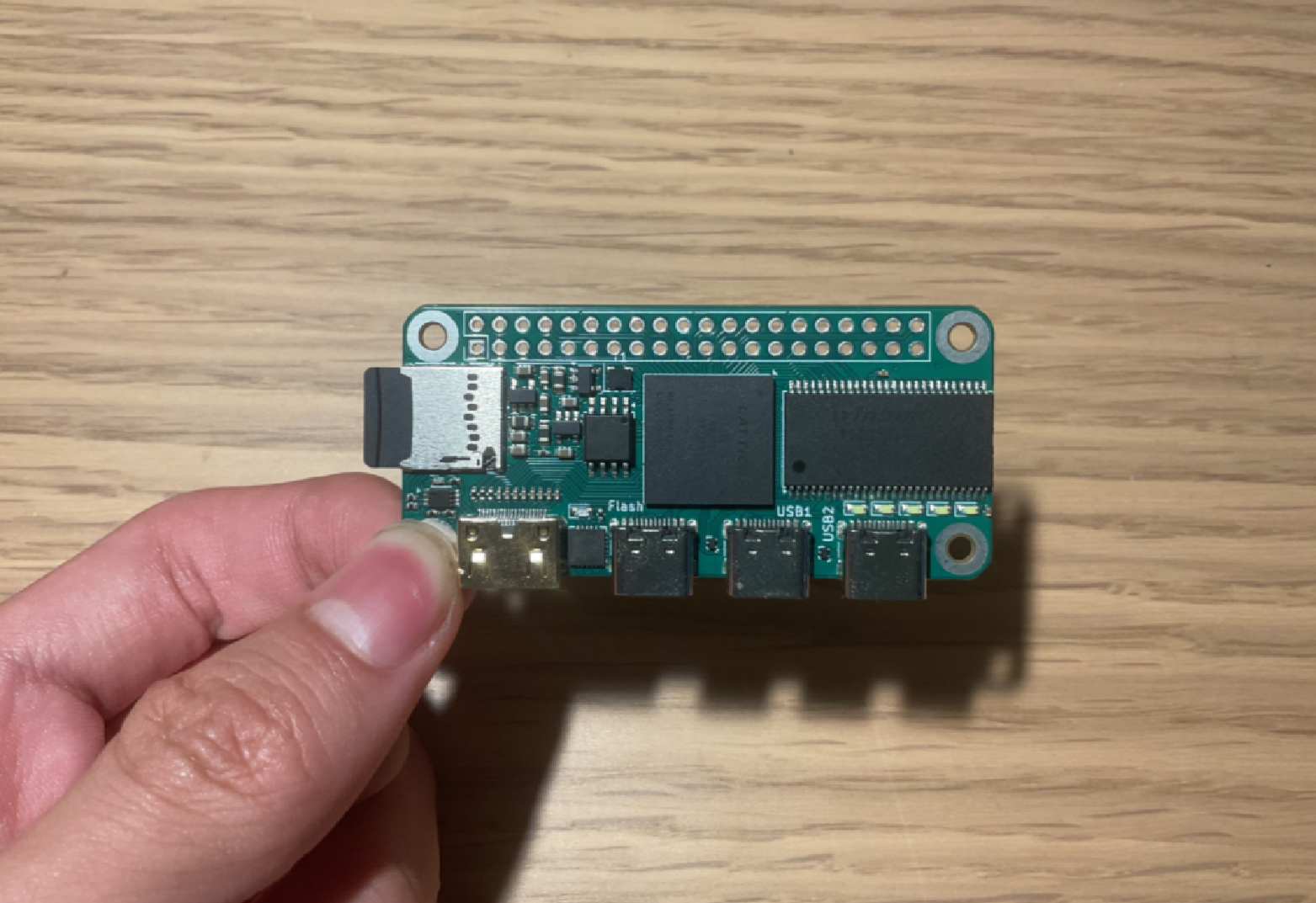
by cheyao
An ECP5 FPGA Dev Board in a Pi Zero form
 KiCad source
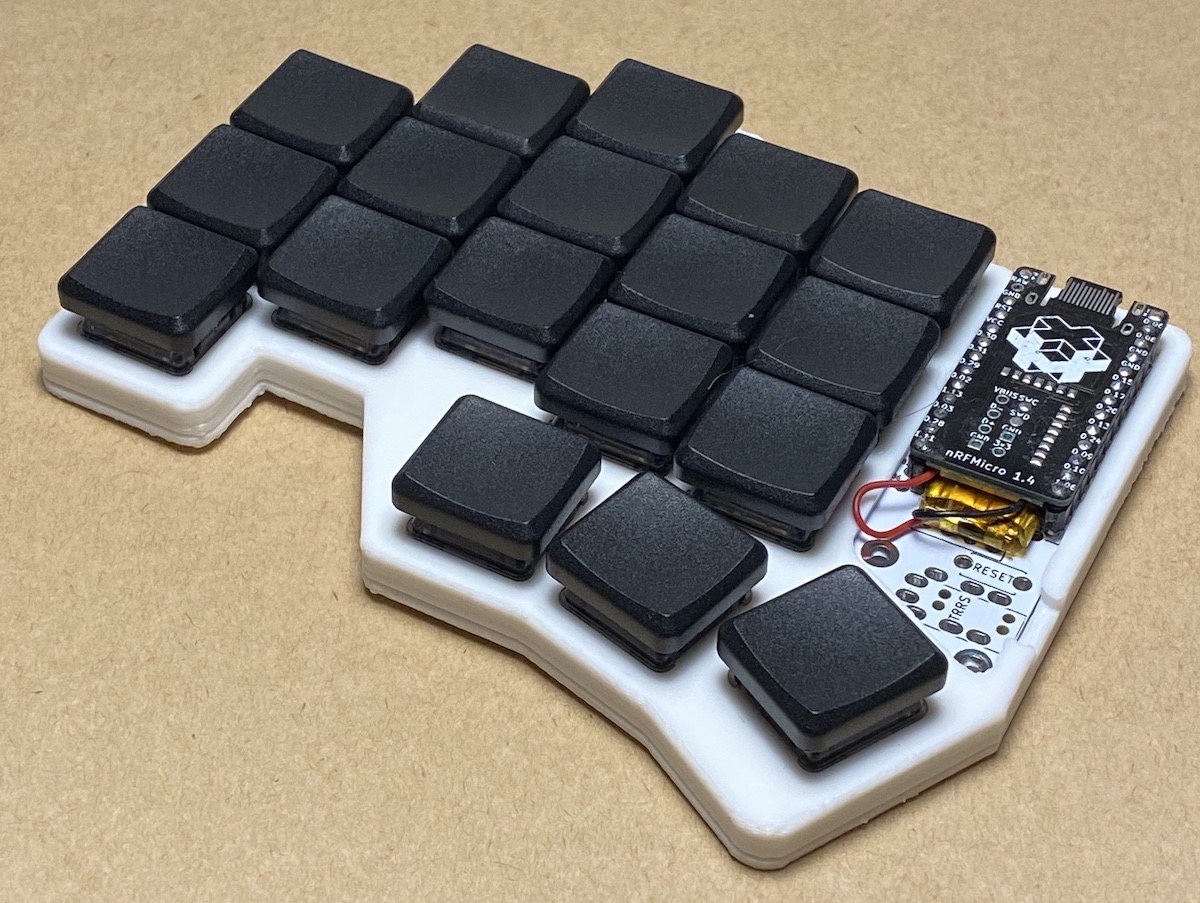
by pashutk
Split 36-key keyboard
 KiCad source
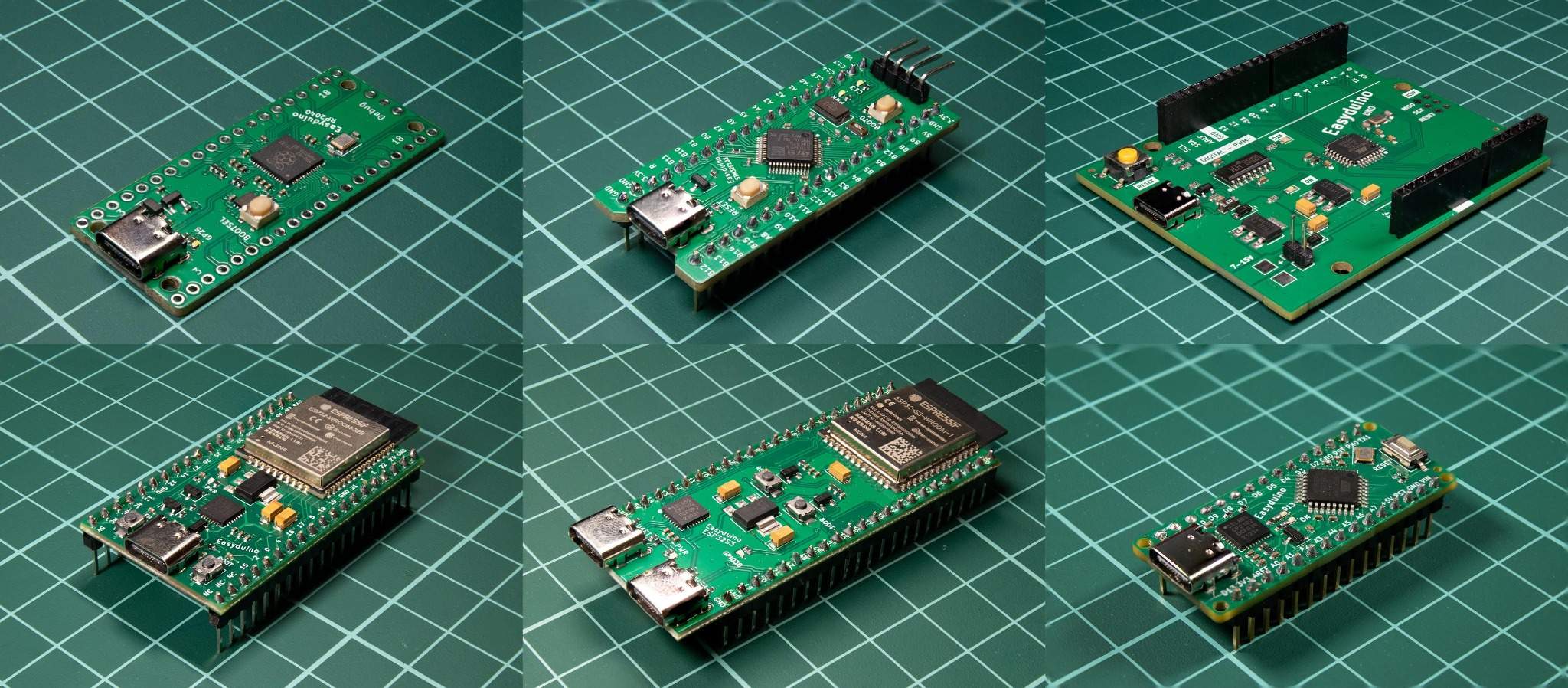
by Hanqaqa
Easily dive into different PCB KiCad designs of the most popular microcontroller devboards
by strangeparts
Flexible circuit board design for adding a headphone jack to an iPhone 7
 KiCad source
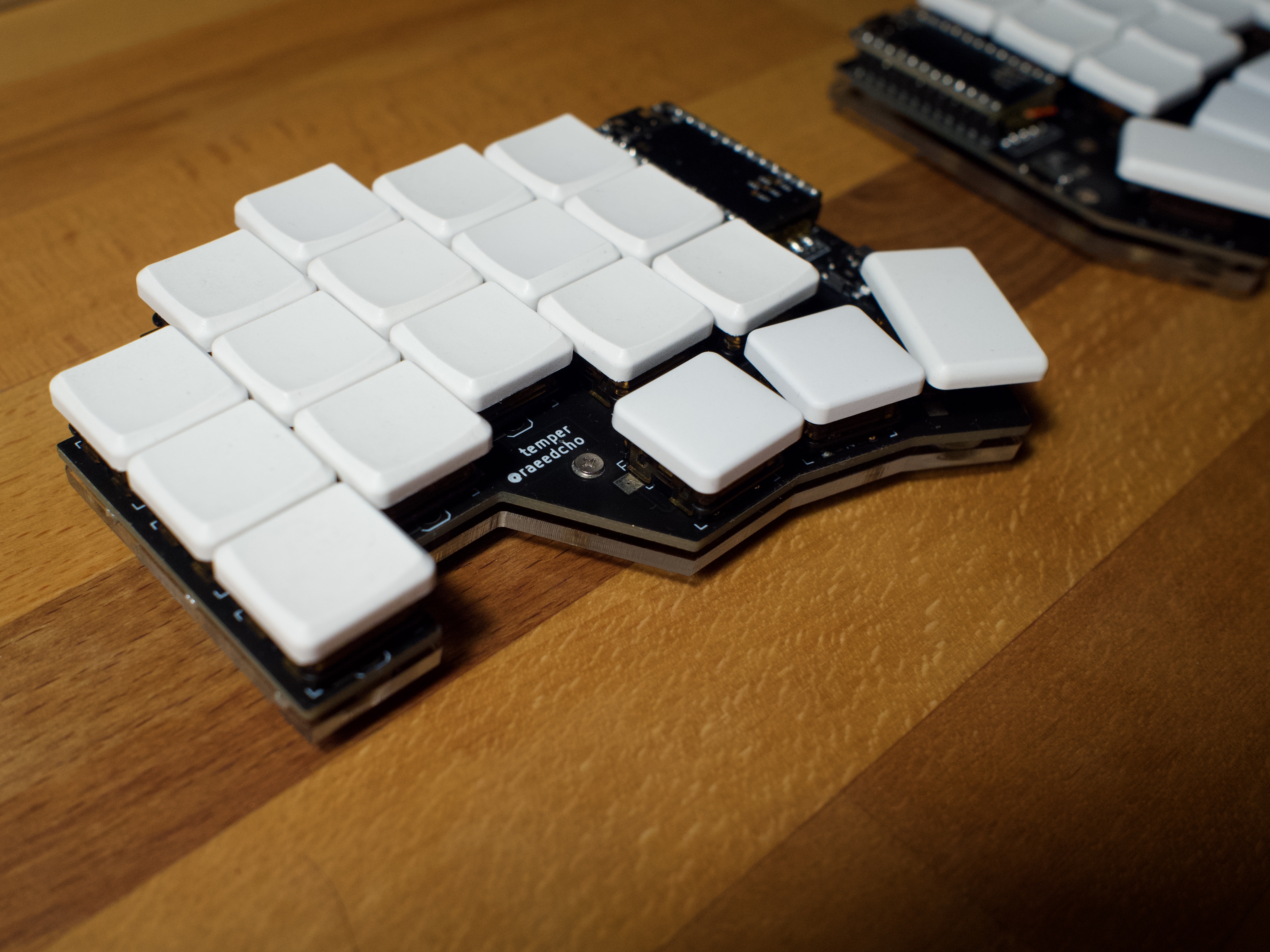
by raeedcho
a wireless-only split keyboard based on the chocofi
 KiCad source
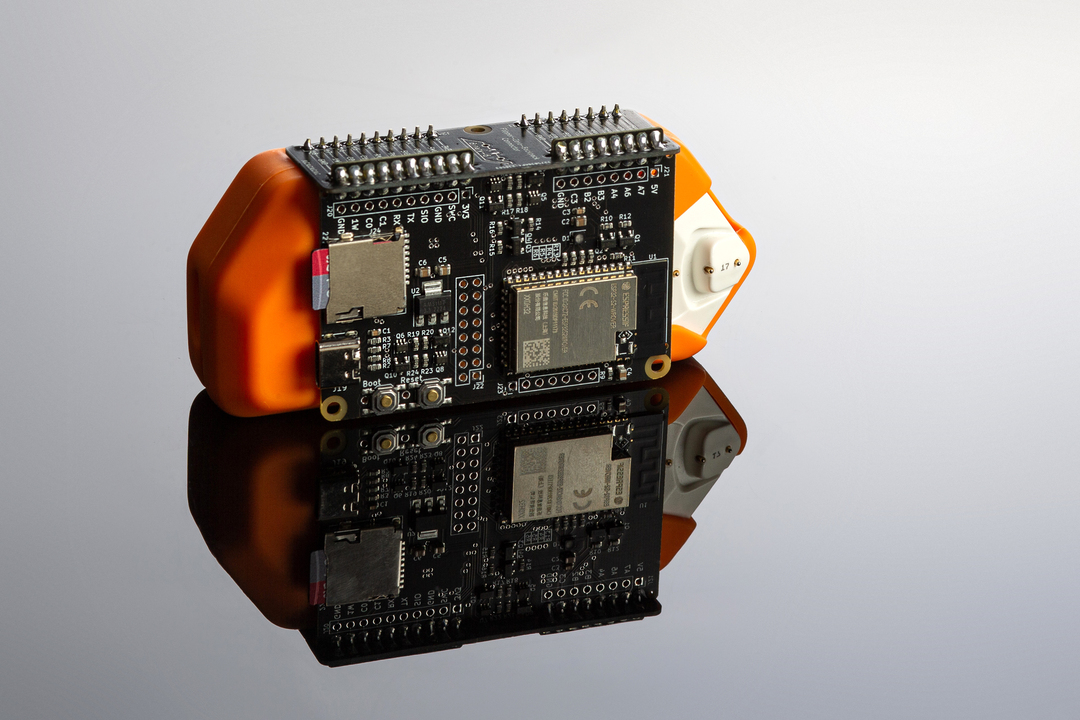
by Chrismettal
Backpack-style addon boards for the Flipper Zero!
 KiCad source
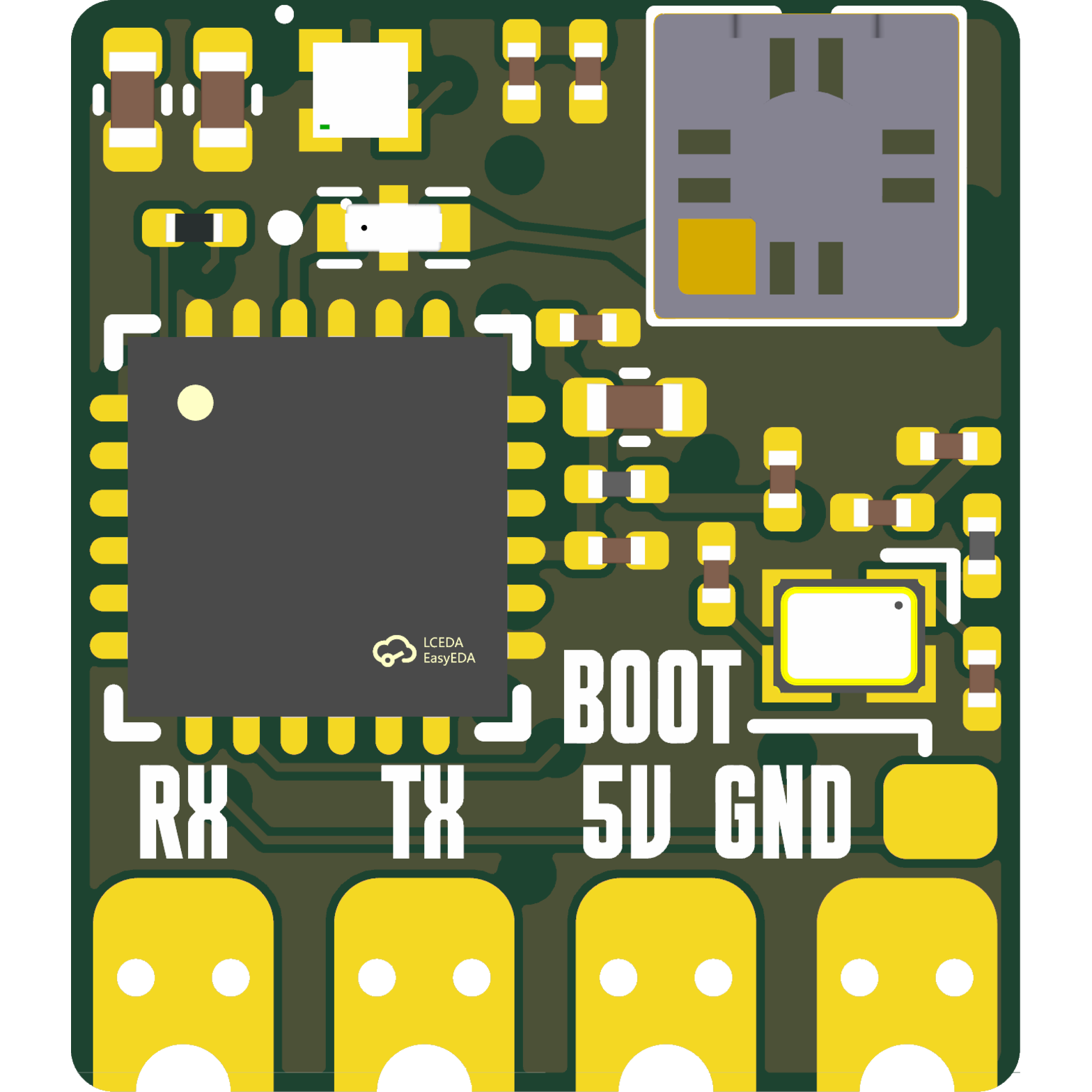
by OpenDrone-hw
OpenRX open-source ExpressLRS receiver family hub; board sources live in four dedicated hardware repositories.
by peej
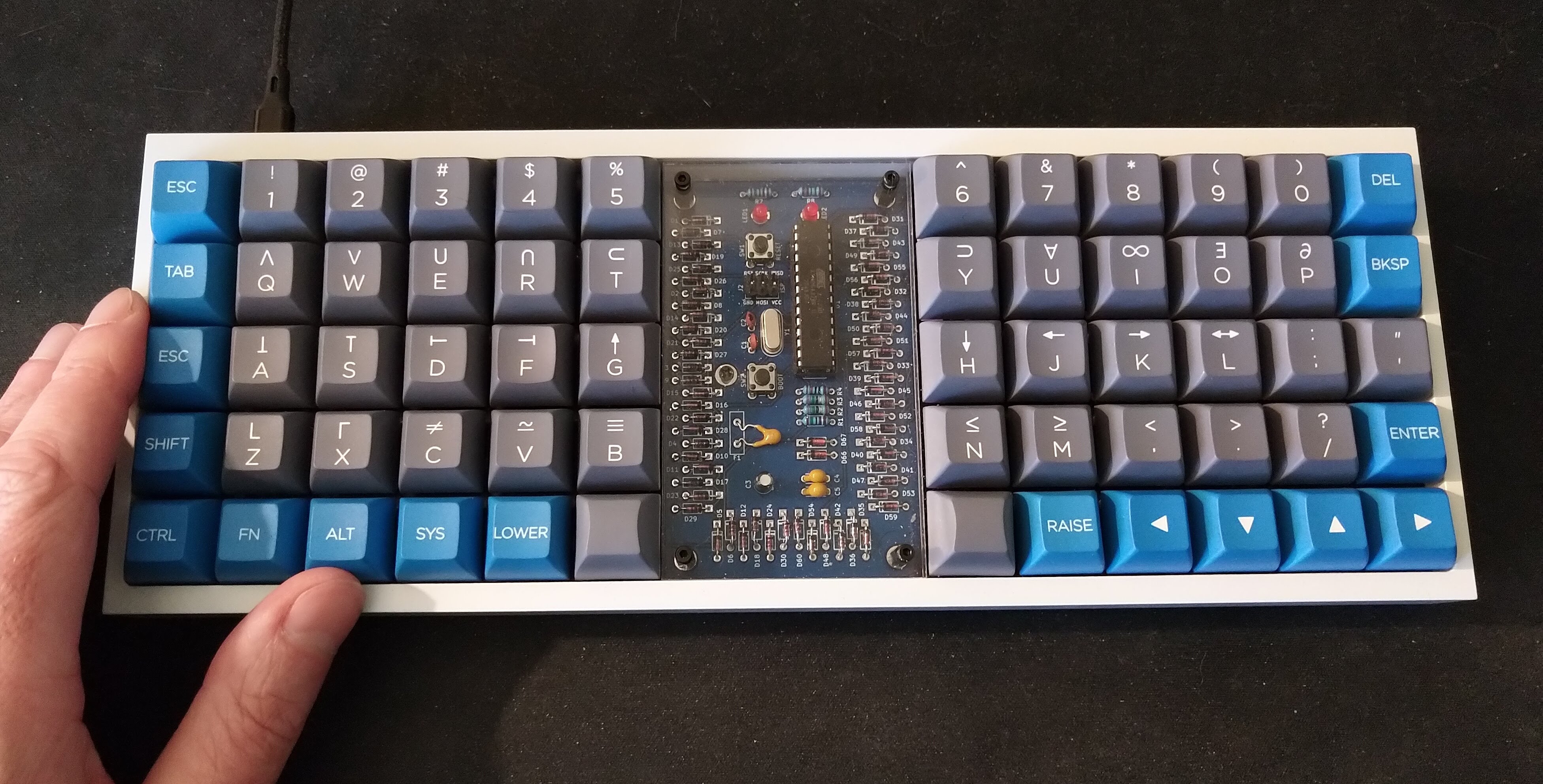
5x12 ortholinear through-hole component keyboard PCB for standard 60% cases
 KiCad source
by soundmonster
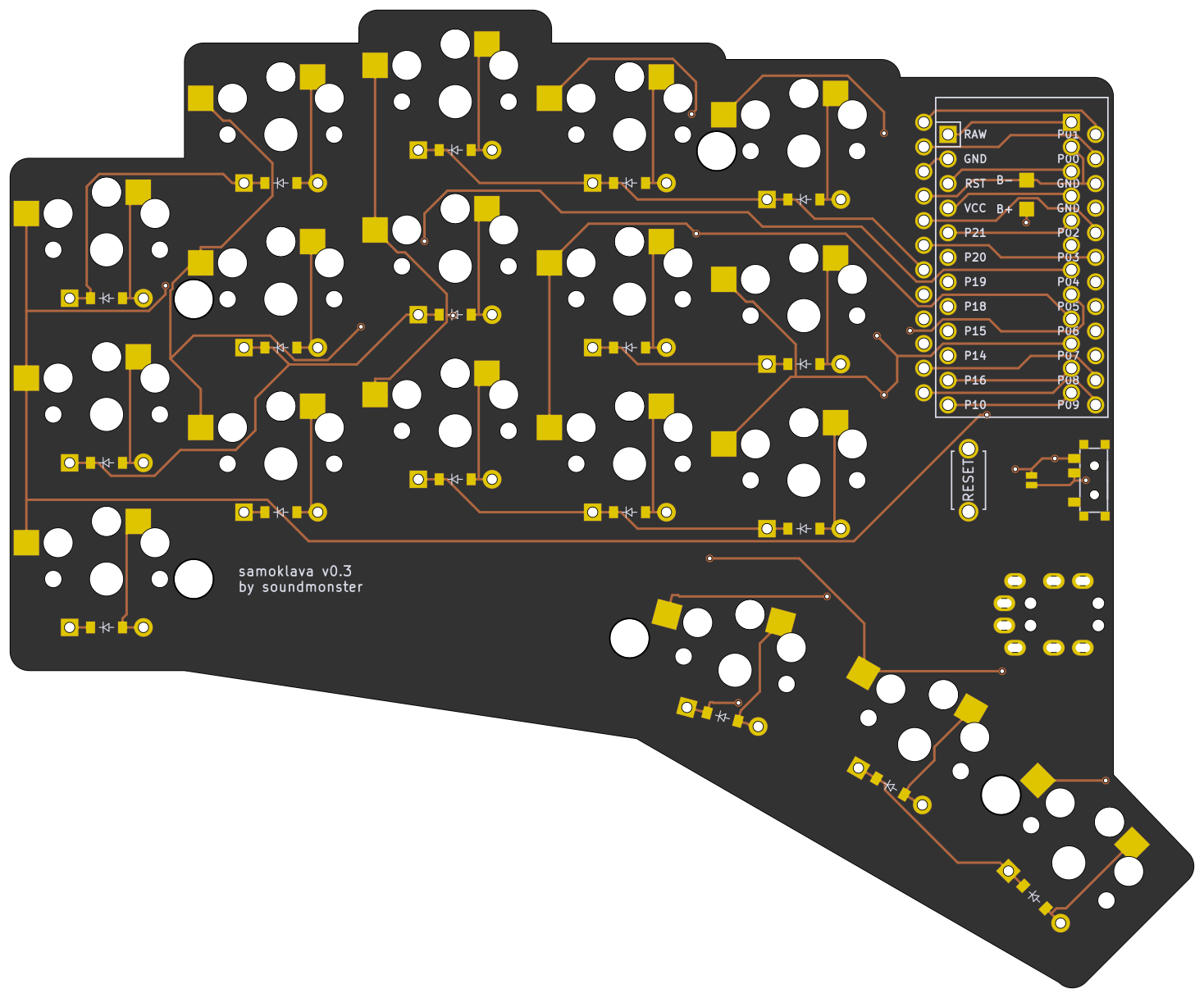
Generated keyboard
 KiCad source
by Junkz3
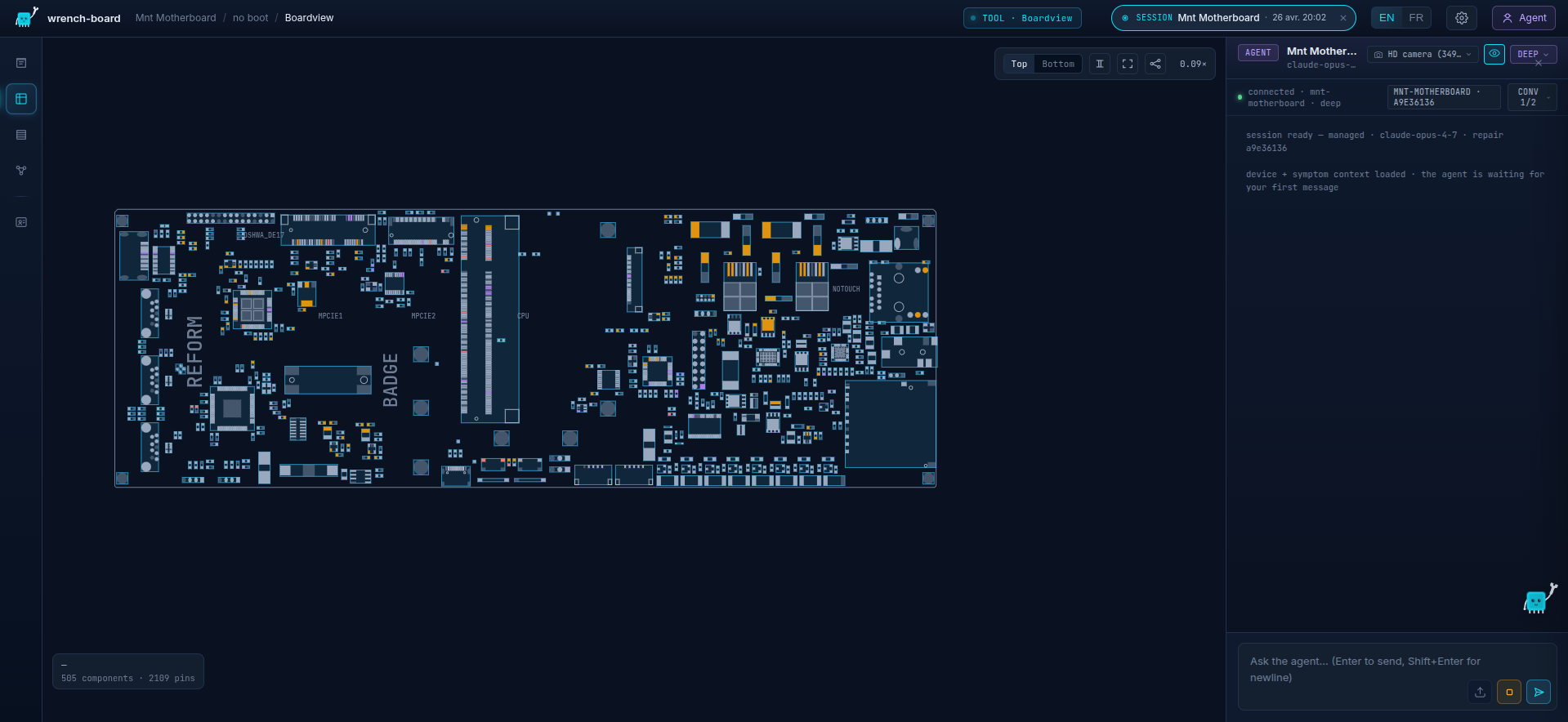
A senior microsoldering technician, available to every repair shop from the seasoned pro to the apprentice. Powered by Claude Opus 5
 KiCad source
by murexrobotics
Highly integrated electronics design and printed circuit boards (PCBs) for the MATE ROV Competition. Attempt the impossible.
Every project listed here belongs to its author and is linked to its original repository. Licences are read from the repository metadata and summarised for convenience — check the licence file in the project itself before you manufacture or redistribute a design. ProtoFlow does not host, mirror or verify these files. Index last rebuilt 2026-09-21.